Buy btest.eu ?
We are moving the project
btest.eu .
Are you interested in purchasing the domain
btest.eu ?
domain@kv-gmbh.de · 0541-91531010
Buy btest.eu ?
What is a chemical peel?
A chemical peel is a cosmetic treatment in which a chemical solution is applied to the skin to exfoliate and remove the top layers of damaged or dead skin cells. This process promotes the growth of new, smoother, and more evenly pigmented skin. Chemical peels can be used to improve the appearance of fine lines, wrinkles, acne scars, sun damage, and uneven skin tone. There are different types of chemical peels, ranging from superficial to deep, and the strength of the peel will determine the extent of skin exfoliation and the results achieved. **
What happens after the regular chemical peel?
After a regular chemical peel, the skin may appear red and feel tight, similar to a sunburn. Over the next few days, the outer layer of skin will begin to peel and flake off, revealing smoother, more even-toned skin underneath. It is important to protect the skin from sun exposure and to follow any post-peel skincare instructions provided by the esthetician or dermatologist to ensure optimal results and minimize the risk of complications. After the peeling process is complete, the skin should appear rejuvenated and refreshed. **

Similar search terms for Clarena-Peptide-Peel-chemical
Top-Angebote
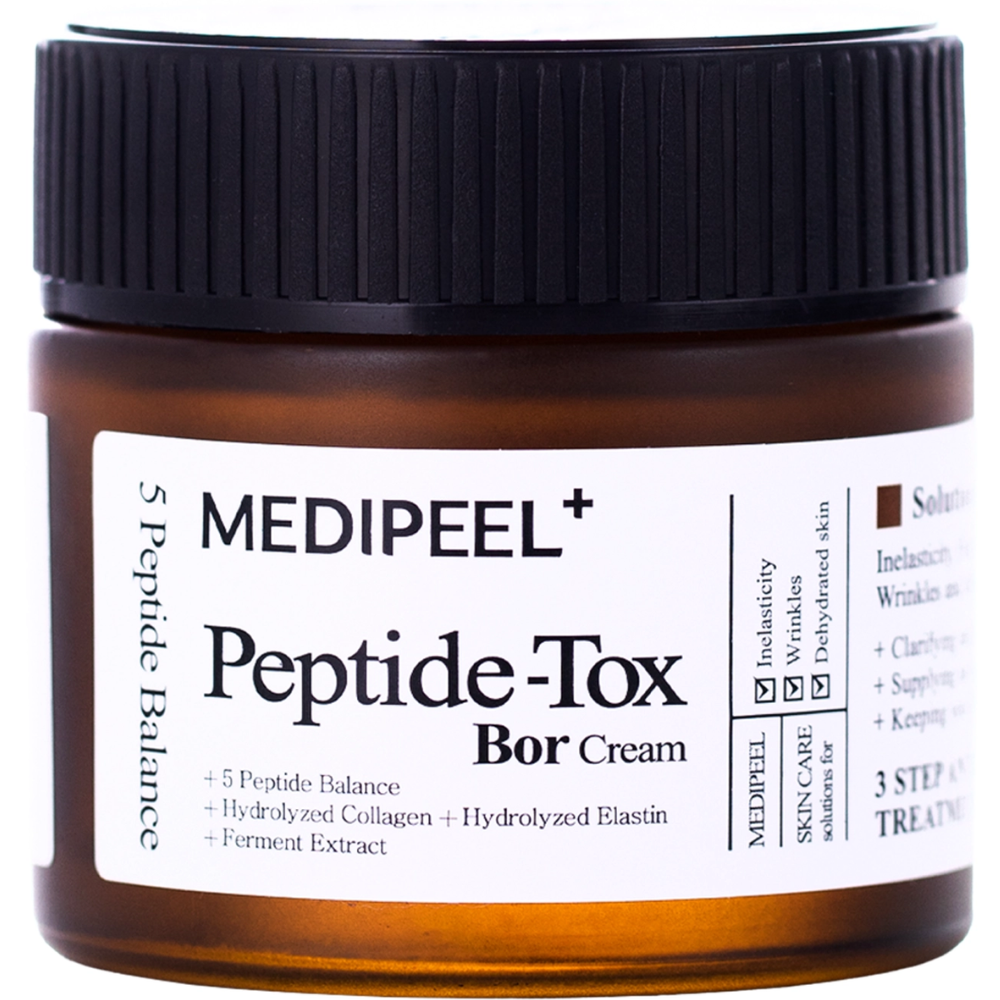
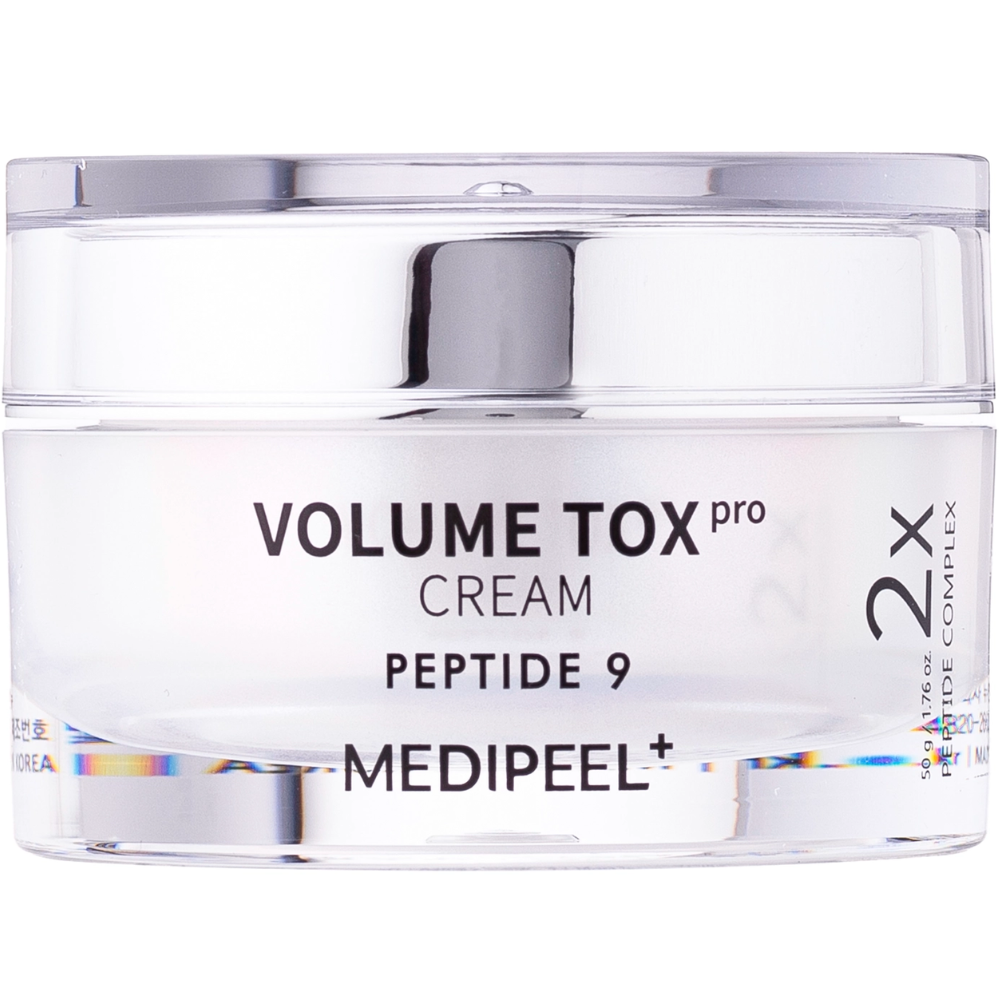
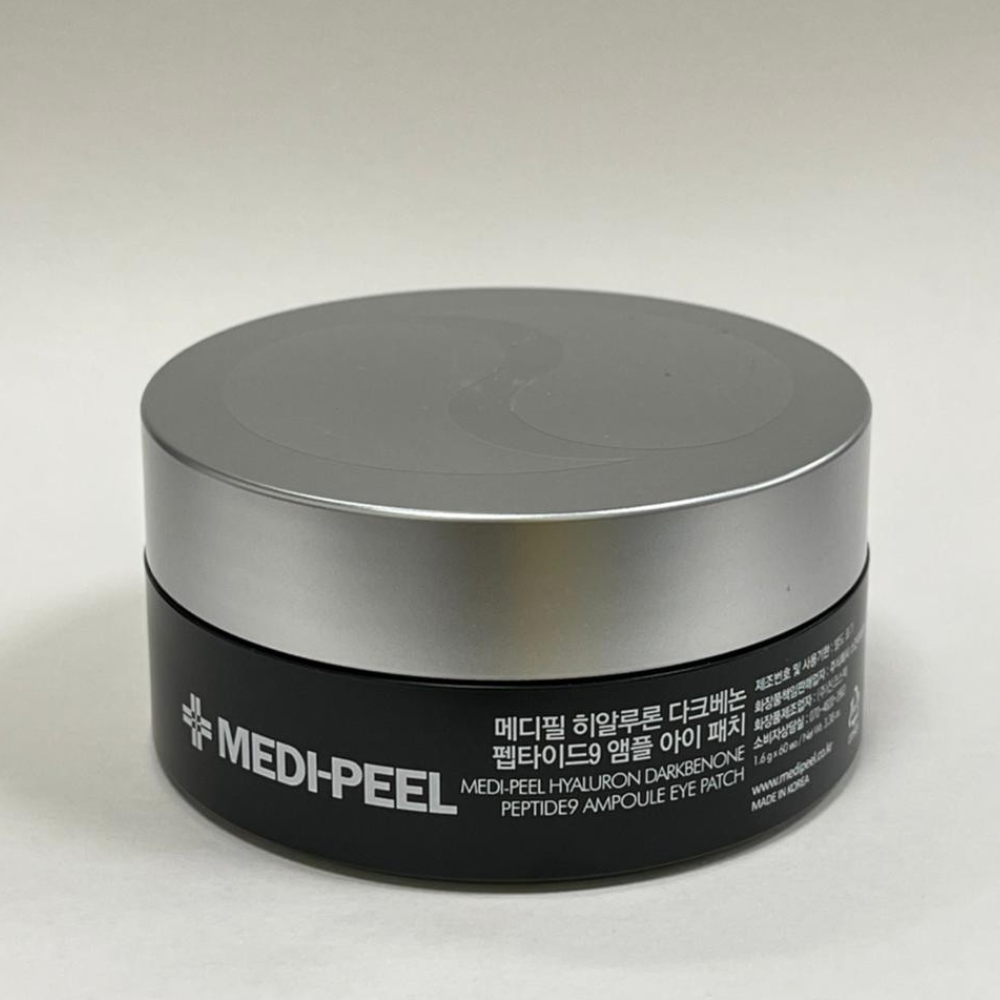
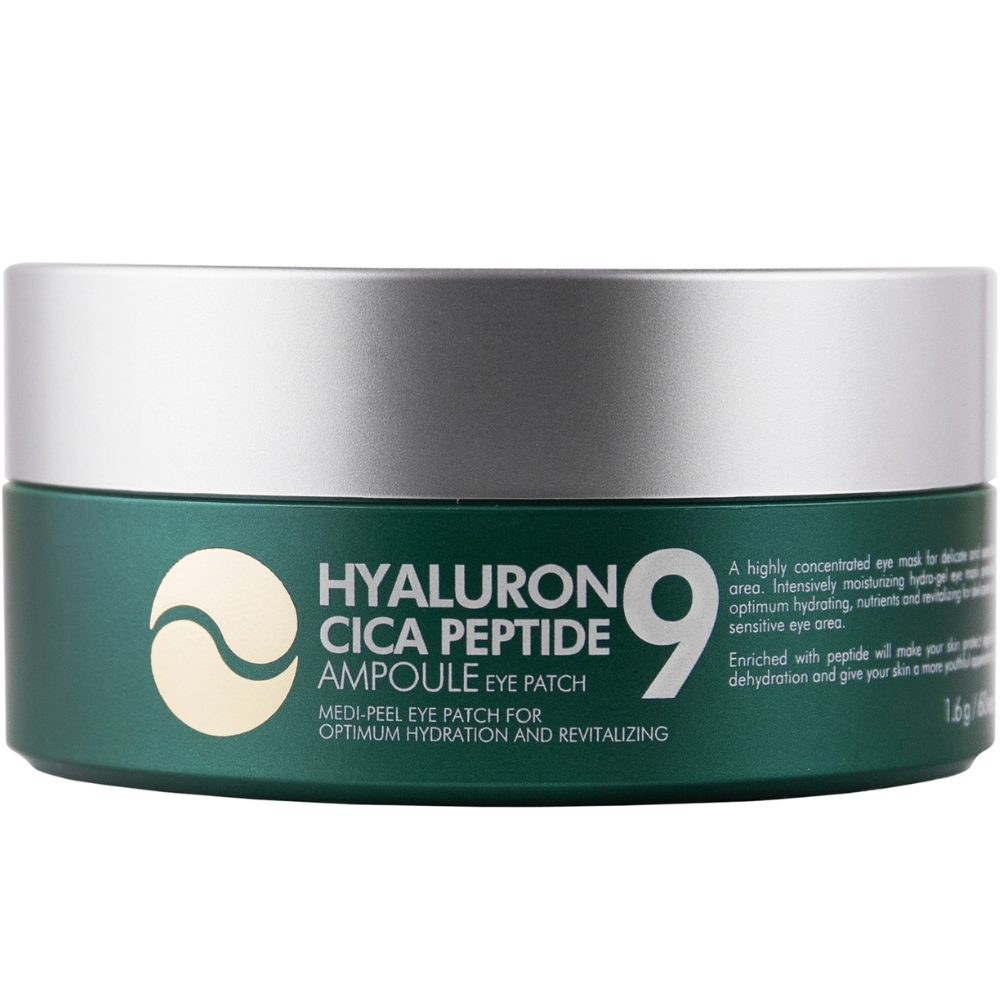
Products related to Clarena-Peptide-Peel-chemical:

-
How often should one use the chemical peel from Paula's Choice?
It is recommended to use the chemical peel from Paula's Choice once or twice a week for best results. Overusing the peel can lead to irritation and sensitivity, so it is important to follow the instructions provided by the brand. It is also advisable to gradually introduce the peel into your skincare routine to allow your skin to adjust to the exfoliating properties. **
-
How often should one use the chemical peel from Paulas Choice?
It is recommended to use the chemical peel from Paulas Choice once or twice a week. Overuse of the peel can lead to irritation and sensitivity, so it is important to follow the instructions provided by the brand. It is also important to gradually introduce the peel into your skincare routine to allow your skin to adjust to the exfoliating properties of the product. If you have any concerns or questions about how often to use the peel, it is best to consult with a skincare professional. **
-
What are peptide bonds?
Peptide bonds are covalent bonds that link amino acids together in a protein chain. They are formed through a condensation reaction between the carboxyl group of one amino acid and the amino group of another amino acid, resulting in the release of a water molecule. Peptide bonds are crucial for maintaining the structure and function of proteins, as they determine the sequence of amino acids in a protein chain. **
-
What is correct: peptide bond?
A peptide bond is a covalent bond that forms between the carboxyl group of one amino acid and the amino group of another amino acid during protein synthesis. This bond is formed through a condensation reaction, where a molecule of water is removed. The resulting bond is a strong and stable linkage that holds the amino acids together in a protein chain. Therefore, the correct term is "peptide bond" to describe this specific type of covalent bond between amino acids. **

What is a peptide bond, peptide chain, peptide group, di-, tri-, and polypeptide? Can you please explain this briefly and simply? Thank you.
A peptide bond is a chemical bond that forms between the carboxyl group of one amino acid and the amino group of another amino acid. When multiple amino acids are linked together by peptide bonds, they form a peptide chain. A peptide group refers to a group of amino acids linked together by peptide bonds. A dipeptide is a chain of two amino acids, a tripeptide has three amino acids, and a polypeptide is a chain of many amino acids linked together. These chains of amino acids are the building blocks of proteins. **
What is chemical analysis?
Chemical analysis is the process of determining the composition of a substance by identifying and quantifying its components. It involves various techniques and methods to separate, identify, and measure the chemical properties of a sample. Chemical analysis is essential in various fields such as chemistry, environmental science, pharmaceuticals, and forensic science to understand the nature and characteristics of substances. The results of chemical analysis help in quality control, research, and development of new materials and products. **
Top-Angebote
Products related to Clarena-Peptide-Peel-chemical:
-
Sienna X The Chemical PeelThis VEGAN, ultra-clean formula combines 15% Glycolic and Fruit Acids to deliver visible, professional-level results for all skin types. A firm favourite among our professionals, this Chemical Peel is one of the salon’s essential products - perfect for creating the ultimate Sienna X facial experience. It’s also highly effective for acne-prone skin. 10% Glycolic Acid gently yet effectively exfoliates dead skin cells for a brighter complexion. 5% Natural Alpha Hydroxy Fruit Acids (AHA’s) enhance skin radiance and promote smoother texture. Allantoin soothes, calms, and reduces irritation. White Willow Bark Extract provides natural exfoliation. Suitable for all skin types, including acne-prone skin, without causing irritation. This 97% natural, vegan formula is free from Parabens, Gluten, Artificial Fragrance and Colours, GMOs, PEGs, SLS, Petroleum, Mineral Oils, and Nut Oils. Dermatologically tested, clinically proven, and certified by The Vegan Society.21,77 £*Shipping: 0,00 £Secure redirect to the provider
-
What is a chemical peel?
A chemical peel is a cosmetic treatment in which a chemical solution is applied to the skin to exfoliate and remove the top layers of damaged or dead skin cells. This process promotes the growth of new, smoother, and more evenly pigmented skin. Chemical peels can be used to improve the appearance of fine lines, wrinkles, acne scars, sun damage, and uneven skin tone. There are different types of chemical peels, ranging from superficial to deep, and the strength of the peel will determine the extent of skin exfoliation and the results achieved. **
-
What happens after the regular chemical peel?
After a regular chemical peel, the skin may appear red and feel tight, similar to a sunburn. Over the next few days, the outer layer of skin will begin to peel and flake off, revealing smoother, more even-toned skin underneath. It is important to protect the skin from sun exposure and to follow any post-peel skincare instructions provided by the esthetician or dermatologist to ensure optimal results and minimize the risk of complications. After the peeling process is complete, the skin should appear rejuvenated and refreshed. **
-
How often should one use the chemical peel from Paula's Choice?
It is recommended to use the chemical peel from Paula's Choice once or twice a week for best results. Overusing the peel can lead to irritation and sensitivity, so it is important to follow the instructions provided by the brand. It is also advisable to gradually introduce the peel into your skincare routine to allow your skin to adjust to the exfoliating properties. **
-
How often should one use the chemical peel from Paulas Choice?
It is recommended to use the chemical peel from Paulas Choice once or twice a week. Overuse of the peel can lead to irritation and sensitivity, so it is important to follow the instructions provided by the brand. It is also important to gradually introduce the peel into your skincare routine to allow your skin to adjust to the exfoliating properties of the product. If you have any concerns or questions about how often to use the peel, it is best to consult with a skincare professional. **
Similar search terms for Clarena-Peptide-Peel-chemical
-
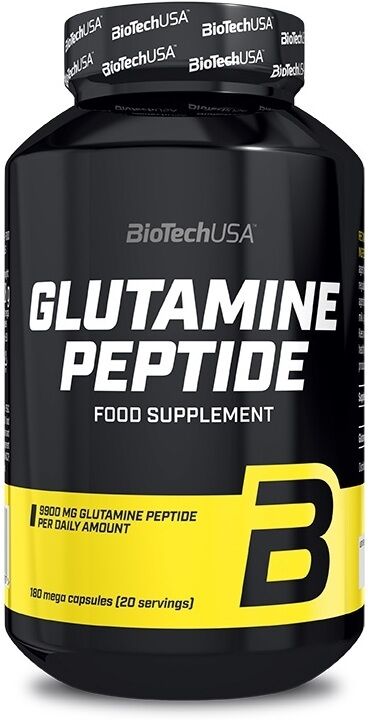
BiotechUSA Glutamine Peptide 180 capsulesNutrition and Supplements Amino acids BiotechUSA Glutamine Peptide 180 capsules Glutamine is a conditionally essential amino acid that can be produced by the body itself. However, glutamine supplementation may be necessary in certain circumstances, such as high intensity or long term workouts. Such activities may cause the body to require more glutamine than it can produce. Glutamine peptide, like any BioTechUSA product, is safe and contains carefully selected ingredients.17,33 £*Shipping: 3,99 £Secure redirect to the provider
-
Mizon Peptide Ampoule Cream 50mLA skin-care product for wrinkles and signs of ageing. It a light cream containing 45% peptide, a strong defense against aging. Increases skin renewal, helps reduce fine lines, firms, hydrates, promotes collagen and elastin production, and is anti-inflammatory. Apply an appropriate amount to the skin with gentle movements or massages as the last step of morning and/or evening care.14,45 £*Shipping: 5,22 £Secure redirect to the provider
-
What are peptide bonds?
Peptide bonds are covalent bonds that link amino acids together in a protein chain. They are formed through a condensation reaction between the carboxyl group of one amino acid and the amino group of another amino acid, resulting in the release of a water molecule. Peptide bonds are crucial for maintaining the structure and function of proteins, as they determine the sequence of amino acids in a protein chain. **
-
What is correct: peptide bond?
A peptide bond is a covalent bond that forms between the carboxyl group of one amino acid and the amino group of another amino acid during protein synthesis. This bond is formed through a condensation reaction, where a molecule of water is removed. The resulting bond is a strong and stable linkage that holds the amino acids together in a protein chain. Therefore, the correct term is "peptide bond" to describe this specific type of covalent bond between amino acids. **
-
What is a peptide bond, peptide chain, peptide group, di-, tri-, and polypeptide? Can you please explain this briefly and simply? Thank you.
A peptide bond is a chemical bond that forms between the carboxyl group of one amino acid and the amino group of another amino acid. When multiple amino acids are linked together by peptide bonds, they form a peptide chain. A peptide group refers to a group of amino acids linked together by peptide bonds. A dipeptide is a chain of two amino acids, a tripeptide has three amino acids, and a polypeptide is a chain of many amino acids linked together. These chains of amino acids are the building blocks of proteins. **
-
What is chemical analysis?
Chemical analysis is the process of determining the composition of a substance by identifying and quantifying its components. It involves various techniques and methods to separate, identify, and measure the chemical properties of a sample. Chemical analysis is essential in various fields such as chemistry, environmental science, pharmaceuticals, and forensic science to understand the nature and characteristics of substances. The results of chemical analysis help in quality control, research, and development of new materials and products. **
* All prices are inclusive of VAT and, if applicable, plus shipping costs. The offer information is based on the details provided by the respective shop and is updated through automated processes. Real-time updates do not occur, so deviations can occur in individual cases. ** Note: Parts of this content were created by AI.