Buy btest.eu ?
We are moving the project
btest.eu .
Are you interested in purchasing the domain
btest.eu ?
domain@kv-gmbh.de · 0541-91531010
Buy btest.eu ?
Is it possible to use a rotor with multiple blades and a magnetic field drive for lift?
Yes, it is possible to use a rotor with multiple blades and a magnetic field drive for lift. This concept is similar to a traditional helicopter rotor system, but instead of using a combustion engine to drive the rotor, a magnetic field drive would provide the necessary power. The multiple blades on the rotor would generate lift as they rotate, and the magnetic field drive would provide the necessary torque to keep the rotor spinning. This concept has the potential to be more efficient and environmentally friendly compared to traditional rotor systems. **
How can magnetic particle testing be conducted on individuals with epilepsy?
Magnetic particle testing is a non-invasive method used to detect surface and near-surface flaws in ferromagnetic materials. It involves the use of a magnetic field and magnetic particles to identify any defects. When conducting magnetic particle testing on individuals with epilepsy, it is important to ensure that the magnetic field strength and exposure time are within safe limits to prevent triggering a seizure. Additionally, it is crucial to communicate with the individual's healthcare provider to understand their specific condition and any potential risks associated with the testing. It may also be necessary to consider alternative testing methods if there are concerns about the safety of magnetic particle testing for individuals with epilepsy. **
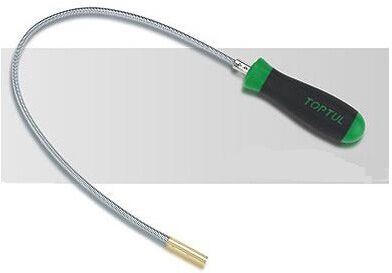
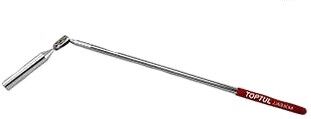
Similar search terms for TOPTUL-JJAG3E63-Magnetic-Lift
Top-Angebote
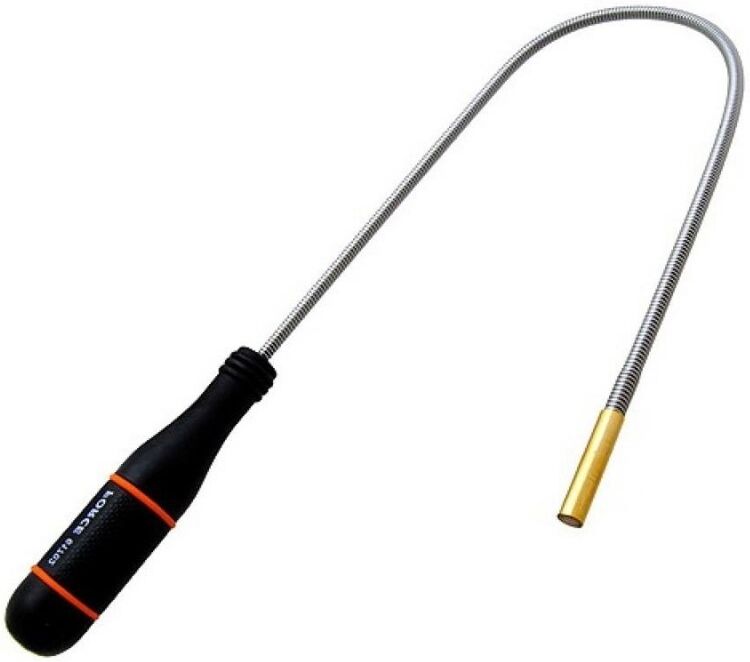
Products related to TOPTUL-JJAG3E63-Magnetic-Lift:

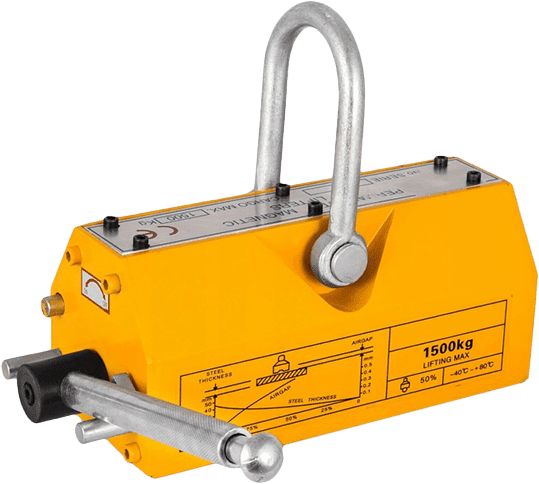
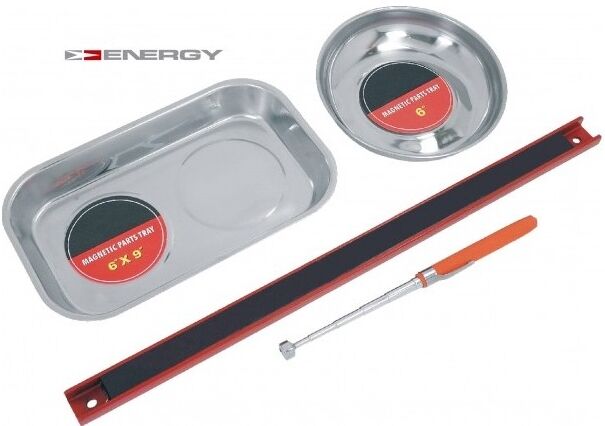
-
Why is Lift Apfelschorle called Lift Apfelschorle?
Lift Apfelschorle is called so because "Lift" is the brand name of the beverage, and "Apfelschorle" is a German term that refers to a popular drink made by mixing apple juice with carbonated water. By combining these two elements in the name, the brand clearly communicates that the product is a carbonated apple juice drink. This name helps consumers easily identify and understand the product they are purchasing. **
-
Name five magnetic materials and five non-magnetic materials.
Five magnetic materials are iron, nickel, cobalt, gadolinium, and neodymium. These materials are attracted to magnets and can be magnetized themselves. On the other hand, five non-magnetic materials are wood, plastic, glass, copper, and aluminum. These materials are not attracted to magnets and cannot be magnetized. **
-
Is aluminum magnetic?
No, aluminum is not magnetic. Aluminum is a non-magnetic metal, which means it does not have magnetic properties like iron or nickel. This is because aluminum does not have unpaired electrons in its atomic structure, which are necessary for a material to exhibit magnetic properties. **
-
Is 1.4301 magnetic?
No, 1.4301, also known as stainless steel grade 304, is not magnetic. This grade of stainless steel is non-magnetic due to its austenitic structure, which contains high levels of chromium and nickel. This composition gives it excellent corrosion resistance and makes it suitable for a wide range of applications in various industries. **


Is aluminium magnetic?
No, aluminium is not magnetic. It is considered a non-magnetic metal, meaning it does not have magnetic properties like iron or nickel. This is because the electrons in aluminium are arranged in a way that does not create a magnetic field. **
Are humans magnetic?
No, humans are not magnetic. While the human body does produce a very small magnetic field due to the electrical activity in our cells and the presence of iron in our blood, this magnetic field is extremely weak and not strong enough to attract or repel objects. The magnetic field produced by the human body is much weaker than the Earth's magnetic field and is not significant enough to have any noticeable effect on objects around us. **
Top-Angebote
Products related to TOPTUL-JJAG3E63-Magnetic-Lift:
-
Is it possible to use a rotor with multiple blades and a magnetic field drive for lift?
Yes, it is possible to use a rotor with multiple blades and a magnetic field drive for lift. This concept is similar to a traditional helicopter rotor system, but instead of using a combustion engine to drive the rotor, a magnetic field drive would provide the necessary power. The multiple blades on the rotor would generate lift as they rotate, and the magnetic field drive would provide the necessary torque to keep the rotor spinning. This concept has the potential to be more efficient and environmentally friendly compared to traditional rotor systems. **
-
How can magnetic particle testing be conducted on individuals with epilepsy?
Magnetic particle testing is a non-invasive method used to detect surface and near-surface flaws in ferromagnetic materials. It involves the use of a magnetic field and magnetic particles to identify any defects. When conducting magnetic particle testing on individuals with epilepsy, it is important to ensure that the magnetic field strength and exposure time are within safe limits to prevent triggering a seizure. Additionally, it is crucial to communicate with the individual's healthcare provider to understand their specific condition and any potential risks associated with the testing. It may also be necessary to consider alternative testing methods if there are concerns about the safety of magnetic particle testing for individuals with epilepsy. **
-
Why is Lift Apfelschorle called Lift Apfelschorle?
Lift Apfelschorle is called so because "Lift" is the brand name of the beverage, and "Apfelschorle" is a German term that refers to a popular drink made by mixing apple juice with carbonated water. By combining these two elements in the name, the brand clearly communicates that the product is a carbonated apple juice drink. This name helps consumers easily identify and understand the product they are purchasing. **
-
Name five magnetic materials and five non-magnetic materials.
Five magnetic materials are iron, nickel, cobalt, gadolinium, and neodymium. These materials are attracted to magnets and can be magnetized themselves. On the other hand, five non-magnetic materials are wood, plastic, glass, copper, and aluminum. These materials are not attracted to magnets and cannot be magnetized. **
Similar search terms for TOPTUL-JJAG3E63-Magnetic-Lift
-
SW-Stahl 30020L Magnetic LiftLength from [mm]: 540; Length to [mm]: 540; Length [mm]: 540; Width [mm]: 30; Height: 30; Quality: Premium; Weight [kg]: 0,145; Tool Design: Magnetic; Magnetic Holding Force [g]: 1100; Magnet Head Diameter [mm]: 12.5; Shape: Flexible; Weight [g]: 21817,49 £*Shipping: 8,45 £Secure redirect to the provider
-
Is aluminum magnetic?
No, aluminum is not magnetic. Aluminum is a non-magnetic metal, which means it does not have magnetic properties like iron or nickel. This is because aluminum does not have unpaired electrons in its atomic structure, which are necessary for a material to exhibit magnetic properties. **
-
Is 1.4301 magnetic?
No, 1.4301, also known as stainless steel grade 304, is not magnetic. This grade of stainless steel is non-magnetic due to its austenitic structure, which contains high levels of chromium and nickel. This composition gives it excellent corrosion resistance and makes it suitable for a wide range of applications in various industries. **
-
Is aluminium magnetic?
No, aluminium is not magnetic. It is considered a non-magnetic metal, meaning it does not have magnetic properties like iron or nickel. This is because the electrons in aluminium are arranged in a way that does not create a magnetic field. **
-
Are humans magnetic?
No, humans are not magnetic. While the human body does produce a very small magnetic field due to the electrical activity in our cells and the presence of iron in our blood, this magnetic field is extremely weak and not strong enough to attract or repel objects. The magnetic field produced by the human body is much weaker than the Earth's magnetic field and is not significant enough to have any noticeable effect on objects around us. **
* All prices are inclusive of VAT and, if applicable, plus shipping costs. The offer information is based on the details provided by the respective shop and is updated through automated processes. Real-time updates do not occur, so deviations can occur in individual cases. ** Note: Parts of this content were created by AI.