Buy btest.eu ?
We are moving the project
btest.eu .
Are you interested in purchasing the domain
btest.eu ?
domain@kv-gmbh.de · 0541-91531010
Buy btest.eu ?
Which martial art is good for learning at home?
For learning at home, martial arts that focus on bodyweight exercises and forms, such as karate, taekwondo, or kung fu, can be good options. These martial arts emphasize technique, discipline, and physical conditioning, which can be practiced in a limited space without the need for specialized equipment. Additionally, there are many online resources and instructional videos available for these martial arts, making it easier to learn and practice at home. However, it's important to remember that while learning the techniques at home can be beneficial, it's also important to eventually seek out a qualified instructor for proper guidance and feedback. **
How can one conduct an art analysis?
To conduct an art analysis, one can start by observing the artwork closely, paying attention to details such as colors, lines, shapes, and textures. It's important to consider the artist's intention and the historical and cultural context in which the artwork was created. Researching the artist's background and the art movement to which the artwork belongs can provide valuable insights. Additionally, analyzing the composition, subject matter, and the emotions or messages conveyed by the artwork can help in understanding its significance. **


Similar search terms for Storied-Home-Round-Art
Top-Angebote
Products related to Storied-Home-Round-Art:
-
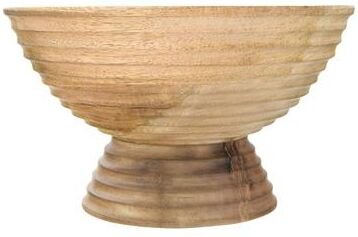
Storied Home Round Mango Wood Footed BowlMake the presentation of a salad even more appealing with this decorative acacia wood bowl raised on a decorative pedestal. It can also be a wonderful piece to fill with mixed nuts, miniature candy bars or other items.25,51 $*Shipping: 0,00 $Secure redirect to the provider
-
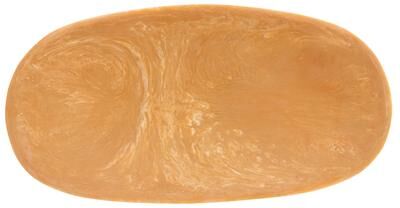
Storied Home Resin PlatterAdd an artful touch and rich earth tones to entertaining moments with this Marbled Resin Platter. Designed with softly blended patterns that resemble swirling stone, each piece brings visual texture and a bespoke feel to the table.72,49 $*Shipping: 0,00 $Secure redirect to the provider
-
Storied Home Alabaster BowlAdd serene sophistication and artisanal character to any setting with this Alabaster Bowl in classic white. Hand-carved from natural stone, its milky translucence and delicate marbling bring an understated beauty that shifts with light and shadow.176,99 $*Shipping: 0,00 $Secure redirect to the provider

-
How to conduct an art image analysis?
To conduct an art image analysis, start by observing the artwork and taking note of its visual elements such as color, line, shape, texture, and composition. Consider the subject matter and symbolism within the artwork, and analyze how these elements contribute to the overall meaning and message of the piece. Research the artist's background and the historical context in which the artwork was created to gain a deeper understanding of its significance. Finally, interpret the artwork by discussing its formal qualities and contextualizing it within the broader art historical and cultural context. **
-
What does an art portfolio with 20 pictures about home look like?
An art portfolio with 20 pictures about home could include a variety of artwork showcasing different aspects of the concept of home. This could include paintings of cozy interiors, landscapes of familiar neighborhoods, portraits of family members, or abstract representations of the feeling of home. The portfolio may feature a mix of mediums such as photography, drawing, painting, and mixed media to capture the diverse interpretations of what home means to the artist. Overall, the collection of 20 pictures would aim to evoke a sense of comfort, belonging, and nostalgia associated with the idea of home. **
-
What are the similarities in an art analysis?
In an art analysis, similarities can include examining the artist's use of color, composition, and techniques to convey meaning or emotion. Additionally, analyzing the subject matter, symbolism, and historical context of the artwork are common elements in art analysis. Furthermore, discussing the overall impact of the artwork on the viewer and its relevance to the broader art world or cultural context are also key components of art analysis. **
-
What are methods of visual analysis in art?
Methods of visual analysis in art involve closely examining and interpreting the visual elements of a work, such as color, line, shape, texture, and composition. This can include identifying patterns, symbolism, and visual techniques used by the artist. Additionally, art historians may consider the historical context, cultural influences, and artistic movements that may have impacted the creation of the artwork. By analyzing these visual elements and contextual factors, viewers can gain a deeper understanding of the artwork and its significance. **
Should one round down or round up?
Whether to round down or round up depends on the specific situation and the context in which the rounding is being applied. In general, if the decimal portion is less than 0.5, it is common to round down, and if the decimal portion is 0.5 or greater, it is common to round up. However, it is important to consider the impact of rounding on the overall accuracy and fairness of the calculation. In some cases, rounding up may be more appropriate to ensure that the result is not underestimated, while in other cases, rounding down may be more appropriate to avoid overestimation. Ultimately, the decision should be based on the specific requirements and goals of the calculation. **
Why are round numbers called round numbers?
Round numbers are called "round" because they are easy to work with and understand. They are multiples of 10, which makes them easy to divide, multiply, and round off. Their simplicity and ease of use make them "round" in the sense that they are smooth and convenient for calculations and estimations. This term has been used for centuries to describe numbers that are easily manageable and divisible. **
Top-Angebote
Products related to Storied-Home-Round-Art:
-
Storied Home Round Art Glass VaseAdd the Art Glass Vase to any space for a vibrant and expressive accent. Crafted from hand-blown glass, this vase showcases swirling abstract patterns in rich multicolor tones, offering a dynamic and organic presence.121,49 $*Shipping: 0,00 $Secure redirect to the provider
-
Storied Home Round Decorative Wood TrayThe perfect size for displaying your favorite small indoor plants or candle displays, this decorative wood tray is sure not to disappoint. With a unique whitewash effect, it is sure to set itself apart from a normal tray.71,81 $*Shipping: 0,00 $Secure redirect to the provider
-
Storied Home Round Mango Wood Footed BowlMake the presentation of a salad even more appealing with this decorative acacia wood bowl raised on a decorative pedestal. It can also be a wonderful piece to fill with mixed nuts, miniature candy bars or other items.25,51 $*Shipping: 0,00 $Secure redirect to the provider
-
Which martial art is good for learning at home?
For learning at home, martial arts that focus on bodyweight exercises and forms, such as karate, taekwondo, or kung fu, can be good options. These martial arts emphasize technique, discipline, and physical conditioning, which can be practiced in a limited space without the need for specialized equipment. Additionally, there are many online resources and instructional videos available for these martial arts, making it easier to learn and practice at home. However, it's important to remember that while learning the techniques at home can be beneficial, it's also important to eventually seek out a qualified instructor for proper guidance and feedback. **
-
How can one conduct an art analysis?
To conduct an art analysis, one can start by observing the artwork closely, paying attention to details such as colors, lines, shapes, and textures. It's important to consider the artist's intention and the historical and cultural context in which the artwork was created. Researching the artist's background and the art movement to which the artwork belongs can provide valuable insights. Additionally, analyzing the composition, subject matter, and the emotions or messages conveyed by the artwork can help in understanding its significance. **
-
How to conduct an art image analysis?
To conduct an art image analysis, start by observing the artwork and taking note of its visual elements such as color, line, shape, texture, and composition. Consider the subject matter and symbolism within the artwork, and analyze how these elements contribute to the overall meaning and message of the piece. Research the artist's background and the historical context in which the artwork was created to gain a deeper understanding of its significance. Finally, interpret the artwork by discussing its formal qualities and contextualizing it within the broader art historical and cultural context. **
-
What does an art portfolio with 20 pictures about home look like?
An art portfolio with 20 pictures about home could include a variety of artwork showcasing different aspects of the concept of home. This could include paintings of cozy interiors, landscapes of familiar neighborhoods, portraits of family members, or abstract representations of the feeling of home. The portfolio may feature a mix of mediums such as photography, drawing, painting, and mixed media to capture the diverse interpretations of what home means to the artist. Overall, the collection of 20 pictures would aim to evoke a sense of comfort, belonging, and nostalgia associated with the idea of home. **
Similar search terms for Storied-Home-Round-Art
-
Storied Home Resin PlatterAdd an artful touch and rich earth tones to entertaining moments with this Marbled Resin Platter. Designed with softly blended patterns that resemble swirling stone, each piece brings visual texture and a bespoke feel to the table.72,49 $*Shipping: 0,00 $Secure redirect to the provider
-
Storied Home Alabaster BowlAdd serene sophistication and artisanal character to any setting with this Alabaster Bowl in classic white. Hand-carved from natural stone, its milky translucence and delicate marbling bring an understated beauty that shifts with light and shadow.176,99 $*Shipping: 0,00 $Secure redirect to the provider
-
What are the similarities in an art analysis?
In an art analysis, similarities can include examining the artist's use of color, composition, and techniques to convey meaning or emotion. Additionally, analyzing the subject matter, symbolism, and historical context of the artwork are common elements in art analysis. Furthermore, discussing the overall impact of the artwork on the viewer and its relevance to the broader art world or cultural context are also key components of art analysis. **
-
What are methods of visual analysis in art?
Methods of visual analysis in art involve closely examining and interpreting the visual elements of a work, such as color, line, shape, texture, and composition. This can include identifying patterns, symbolism, and visual techniques used by the artist. Additionally, art historians may consider the historical context, cultural influences, and artistic movements that may have impacted the creation of the artwork. By analyzing these visual elements and contextual factors, viewers can gain a deeper understanding of the artwork and its significance. **
-
Should one round down or round up?
Whether to round down or round up depends on the specific situation and the context in which the rounding is being applied. In general, if the decimal portion is less than 0.5, it is common to round down, and if the decimal portion is 0.5 or greater, it is common to round up. However, it is important to consider the impact of rounding on the overall accuracy and fairness of the calculation. In some cases, rounding up may be more appropriate to ensure that the result is not underestimated, while in other cases, rounding down may be more appropriate to avoid overestimation. Ultimately, the decision should be based on the specific requirements and goals of the calculation. **
-
Why are round numbers called round numbers?
Round numbers are called "round" because they are easy to work with and understand. They are multiples of 10, which makes them easy to divide, multiply, and round off. Their simplicity and ease of use make them "round" in the sense that they are smooth and convenient for calculations and estimations. This term has been used for centuries to describe numbers that are easily manageable and divisible. **
* All prices are inclusive of VAT and, if applicable, plus shipping costs. The offer information is based on the details provided by the respective shop and is updated through automated processes. Real-time updates do not occur, so deviations can occur in individual cases. ** Note: Parts of this content were created by AI.