Buy btest.eu ?
We are moving the project
btest.eu .
Are you interested in purchasing the domain
btest.eu ?
domain@kv-gmbh.de · 0541-91531010
Buy btest.eu ?
Why was TMS unprepared?
TMS was unprepared because they did not anticipate the sudden increase in demand for their services. This unexpected surge in customers overwhelmed their resources and systems, leading to delays and disruptions in their operations. Additionally, TMS may not have had contingency plans in place to handle such a situation, further exacerbating their unpreparedness. **
Is the TMS difficult?
The difficulty of transcranial magnetic stimulation (TMS) can vary depending on the individual's experience and comfort with the procedure. For some, the sensation of the magnetic pulses on the scalp may feel uncomfortable or unusual, but it is generally not considered painful. The actual administration of TMS is typically performed by a trained professional, so the difficulty lies more in the potential discomfort or unfamiliarity with the sensation rather than the technical aspects of the procedure. Overall, TMS is generally considered safe and well-tolerated by most individuals. **

Similar search terms for Tms
Top-Angebote
Products related to Tms:
-
WEBASTO 1320920A Self-diagnosis equipmentOperating System: Windows; Manufacturer Restriction: AirTop 2000/S/ST/STC, Air Top 3500/5500/ST, AirTop EVO 3900/5500, Air Top Evo 40/55, HL 90, Thermo Top, Thermo Top C/E/P/Z, Thermo Top Evo, Thermo Top 50 Eco, Thermo 90/S/ST/Pro, Thermo Top Pro , 120/150, Thermo, S230/S300/S350/S400, Thermo Plus , 230/300/350, GBW 300664,99 £*Shipping: 1,99 £Secure redirect to the provider




-
What are TMS books?
TMS books are publications that focus on the topic of transcranial magnetic stimulation (TMS). These books provide information about the use of TMS in the treatment of various neurological and psychiatric disorders, as well as the underlying principles and mechanisms of TMS. They may also cover the latest research and developments in the field of TMS, making them valuable resources for clinicians, researchers, and anyone interested in learning more about this non-invasive brain stimulation technique. **
-
When should TMS treatment begin?
TMS treatment should begin when traditional treatments such as medication and therapy have not been effective in managing symptoms of depression, anxiety, or other mental health conditions. It is also important to consider TMS treatment when the individual is experiencing significant impairment in their daily functioning and quality of life. Additionally, TMS treatment may be appropriate for individuals who are unable to tolerate the side effects of medication or prefer a non-invasive treatment option. It is important to consult with a mental health professional to determine if TMS treatment is the right choice for an individual's specific needs. **
-
How is the TMS credited?
The TMS (Transcranial Magnetic Stimulation) is credited for its ability to non-invasively stimulate specific areas of the brain using magnetic fields. It has been used to treat various neurological and psychiatric conditions such as depression, anxiety, and chronic pain. TMS is also credited for its potential to modulate brain activity and promote neuroplasticity, leading to improvements in cognitive function and motor skills. Additionally, TMS has shown promise in research for its potential to treat conditions such as Alzheimer's disease, schizophrenia, and stroke rehabilitation. **
-
What is the TMS Compendium?
The TMS Compendium is a comprehensive reference guide that provides information on various topics related to transcranial magnetic stimulation (TMS). It includes detailed information on TMS technology, applications, research findings, and clinical guidelines. The compendium serves as a valuable resource for researchers, clinicians, and anyone interested in learning more about TMS and its potential uses in the field of neuroscience and mental health. It is regularly updated to include the latest developments and findings in the field of TMS. **

Are TMS and ABI simultaneous?
Transcranial Magnetic Stimulation (TMS) and Auditory Brainstem Implant (ABI) are not typically performed simultaneously. TMS is a non-invasive procedure that uses magnetic fields to stimulate nerve cells in the brain, often used for treating depression, anxiety, and other mental health conditions. On the other hand, ABI is a surgical procedure that involves implanting a device to stimulate the auditory nerve for individuals with profound hearing loss. These two treatments are used for different purposes and are not typically performed at the same time. **
What is the TMS test?
The TMS test, or Transcranial Magnetic Stimulation test, is a non-invasive procedure used to measure the activity of the brain's nerve cells. During the test, a coil is placed on the scalp and delivers magnetic pulses to the brain, which can help to assess the function of the brain's motor pathways and identify any abnormalities. The TMS test is often used in research and clinical settings to diagnose and monitor conditions such as depression, anxiety, and neurological disorders. **
Top-Angebote
Products related to Tms:
-
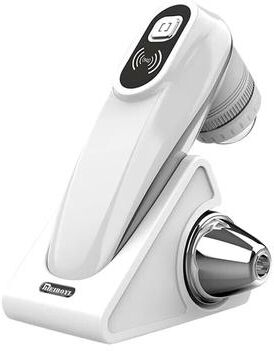
StayWell Professional Skin Analyzer Rechargeable UV Testing Analysis Magnifier With Dual Probes & Wi Fi App Control Professional Skin Analyzer Rechargeable UV Testing Analysis Magnifier With Dual Probes & Wi Fi App ControlExperience nextlevel skincare diagnostics with our Professional Skin Analyzer Rechargeable UV Testing Analysis Magnifier. Designed for beauty professionals and techsavvy enthusiasts alike, this smart device uses optical amplification to reveal...155,97 $*Shipping: 0,00 $Secure redirect to the provider
-
Uplift Picks 3D Skin Analysis Machine Portable Facial Scanner For Moisture Oil And Texture Testing white (13.3 Inch)See your skin more clearly and make every skincare choice feel more intentional. This 3D skin analysis machine helps check moisture, oil balance, and texture so you can better understand what your skin needs. Designed for home routines, salons,...3515,00 $*Shipping: 0,00 $Secure redirect to the provider
-
Why was TMS unprepared?
TMS was unprepared because they did not anticipate the sudden increase in demand for their services. This unexpected surge in customers overwhelmed their resources and systems, leading to delays and disruptions in their operations. Additionally, TMS may not have had contingency plans in place to handle such a situation, further exacerbating their unpreparedness. **
-
Is the TMS difficult?
The difficulty of transcranial magnetic stimulation (TMS) can vary depending on the individual's experience and comfort with the procedure. For some, the sensation of the magnetic pulses on the scalp may feel uncomfortable or unusual, but it is generally not considered painful. The actual administration of TMS is typically performed by a trained professional, so the difficulty lies more in the potential discomfort or unfamiliarity with the sensation rather than the technical aspects of the procedure. Overall, TMS is generally considered safe and well-tolerated by most individuals. **
-
What are TMS books?
TMS books are publications that focus on the topic of transcranial magnetic stimulation (TMS). These books provide information about the use of TMS in the treatment of various neurological and psychiatric disorders, as well as the underlying principles and mechanisms of TMS. They may also cover the latest research and developments in the field of TMS, making them valuable resources for clinicians, researchers, and anyone interested in learning more about this non-invasive brain stimulation technique. **
-
When should TMS treatment begin?
TMS treatment should begin when traditional treatments such as medication and therapy have not been effective in managing symptoms of depression, anxiety, or other mental health conditions. It is also important to consider TMS treatment when the individual is experiencing significant impairment in their daily functioning and quality of life. Additionally, TMS treatment may be appropriate for individuals who are unable to tolerate the side effects of medication or prefer a non-invasive treatment option. It is important to consult with a mental health professional to determine if TMS treatment is the right choice for an individual's specific needs. **
Similar search terms for Tms
-
WEBASTO 1320920A Self-diagnosis equipmentOperating System: Windows; Manufacturer Restriction: AirTop 2000/S/ST/STC, Air Top 3500/5500/ST, AirTop EVO 3900/5500, Air Top Evo 40/55, HL 90, Thermo Top, Thermo Top C/E/P/Z, Thermo Top Evo, Thermo Top 50 Eco, Thermo 90/S/ST/Pro, Thermo Top Pro , 120/150, Thermo, S230/S300/S350/S400, Thermo Plus , 230/300/350, GBW 300664,99 £*Shipping: 1,99 £Secure redirect to the provider
-
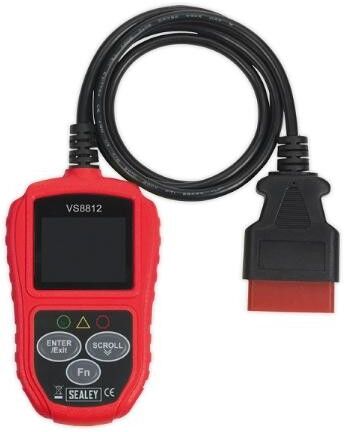
SEALEY VS8812 Self-diagnosis equipmentConnector type: EOBD ; Parameter: Live Data; Housing Colour: red; Supplementary Article / Supplementary Info Info 2: with OBD cable; Length [mm]: 124; Width [mm]: 72; Height: 18; Gauge: with TFT display; Operating temperature from [°C]: 0; Operating temperature to [°C]: +60; Test standard: SAE; Certificate: SAE J1979 2007; Construction Year from: 2001 Petrol, 2004 Diesel87,49 £*Shipping: 8,45 £Secure redirect to the provider
-
Scholastic Next Step Guided Reading Assessment, K-2Developed by leading literacy experts Jan Richardson, Ph.D., and Maria Walther, Ed.D., Next Step Guided Reading Assessment uses Richardson's proven Assess-Decide-Guide teaching system to pinpoint students' reading level and target instructional next...489,00 $*Shipping: 0,00 $Secure redirect to the provider
-
How is the TMS credited?
The TMS (Transcranial Magnetic Stimulation) is credited for its ability to non-invasively stimulate specific areas of the brain using magnetic fields. It has been used to treat various neurological and psychiatric conditions such as depression, anxiety, and chronic pain. TMS is also credited for its potential to modulate brain activity and promote neuroplasticity, leading to improvements in cognitive function and motor skills. Additionally, TMS has shown promise in research for its potential to treat conditions such as Alzheimer's disease, schizophrenia, and stroke rehabilitation. **
-
What is the TMS Compendium?
The TMS Compendium is a comprehensive reference guide that provides information on various topics related to transcranial magnetic stimulation (TMS). It includes detailed information on TMS technology, applications, research findings, and clinical guidelines. The compendium serves as a valuable resource for researchers, clinicians, and anyone interested in learning more about TMS and its potential uses in the field of neuroscience and mental health. It is regularly updated to include the latest developments and findings in the field of TMS. **
-
Are TMS and ABI simultaneous?
Transcranial Magnetic Stimulation (TMS) and Auditory Brainstem Implant (ABI) are not typically performed simultaneously. TMS is a non-invasive procedure that uses magnetic fields to stimulate nerve cells in the brain, often used for treating depression, anxiety, and other mental health conditions. On the other hand, ABI is a surgical procedure that involves implanting a device to stimulate the auditory nerve for individuals with profound hearing loss. These two treatments are used for different purposes and are not typically performed at the same time. **
-
What is the TMS test?
The TMS test, or Transcranial Magnetic Stimulation test, is a non-invasive procedure used to measure the activity of the brain's nerve cells. During the test, a coil is placed on the scalp and delivers magnetic pulses to the brain, which can help to assess the function of the brain's motor pathways and identify any abnormalities. The TMS test is often used in research and clinical settings to diagnose and monitor conditions such as depression, anxiety, and neurological disorders. **
* All prices are inclusive of VAT and, if applicable, plus shipping costs. The offer information is based on the details provided by the respective shop and is updated through automated processes. Real-time updates do not occur, so deviations can occur in individual cases. ** Note: Parts of this content were created by AI.